

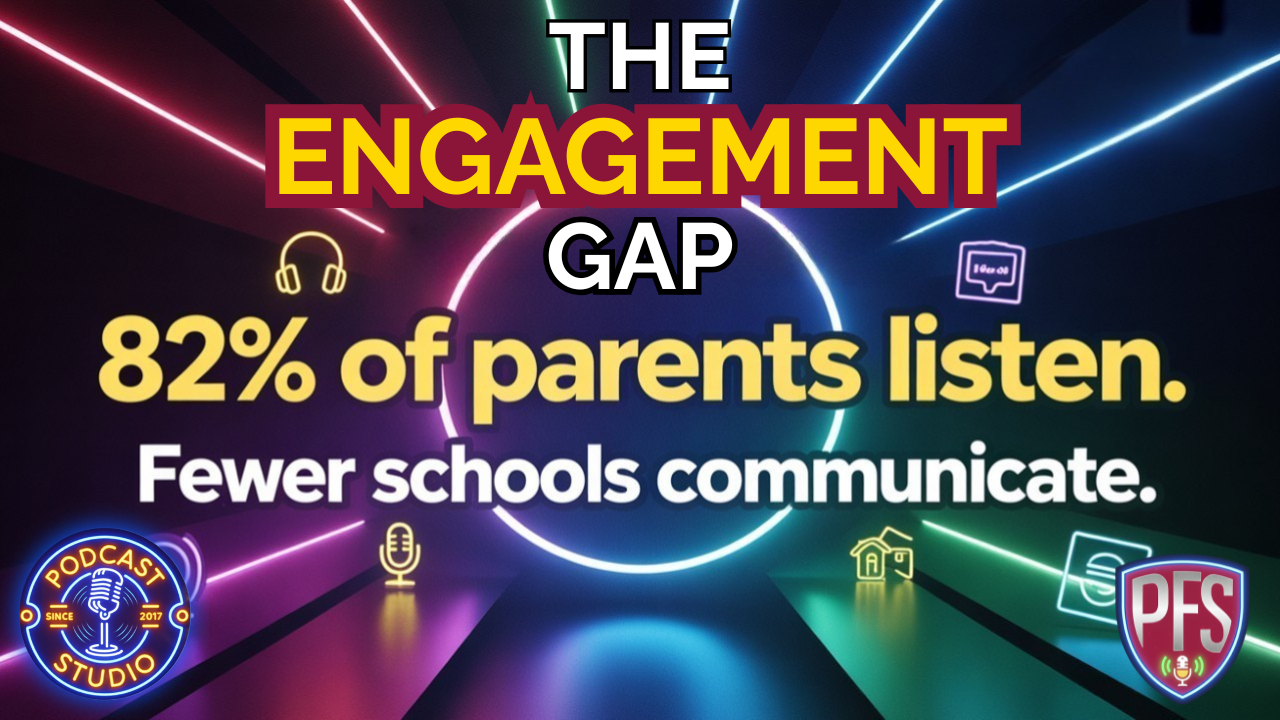
Across England’s classrooms and corridors, a quiet shift is taking place. Under the new Ofsted inspection era, evidence of “engagement” – how pupils, parents and communities connect with learning – is moving centre-stage. Yet the data reveal a worrying divide: while 82 percent of parents now listen to podcasts, far fewer schools communicate through them. This widening engagement gap represents both a challenge and an opportunity for education leaders.
Defining the engagement gap
The engagement gap describes the gulf between a school’s potential to involve families and the reality of its communication. For many schools, newsletters still dominate despite dwindling readership. In a media landscape where attention is scarce, parents are turning to on-demand, mobile-friendly formats that fit their lives. When schools fail to meet them there, key messages – from curriculum updates to safeguarding information – risk being lost.
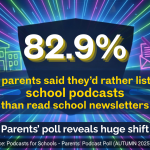
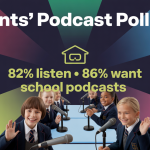
Our Parents’ Podcast Poll 2025 of more than 400 South East families found that 86 percent would rather receive updates as audio content than printed newsletters. That aligns with Ofsted’s renewed focus on inclusive communication, transparency and stakeholder voice. In short, engagement is no longer a soft extra: it’s evidence of impact.
Engagement in the new Ofsted framework
Under the new Ofsted framework, inspectors place stronger emphasis on context, curriculum intent and how schools listen to, and act on, stakeholder feedback. It’s not about polished brochures; it’s about authentic dialogue. A school that can demonstrate ongoing, two-way communication – especially with harder-to-reach families – is far better positioned to evidence leadership effectiveness and community cohesion.
Podcasts, short-form videos and pupil-led audio are powerful tools here. They amplify student voice, evidence digital literacy within the curriculum and make learning visible beyond the classroom walls. Ofsted’s language on “cultural capital” and “communication across the community” aligns perfectly with these formats. A short weekly podcast featuring pupils explaining what they’ve learned can demonstrate curriculum intent, sequencing and impact more vividly than a printed report ever could.
Why parents are listening – but schools aren’t speaking
Parents’ listening habits have changed dramatically. The ubiquity of Spotify, Apple Podcasts and Alexa means that audio is now part of everyday life – in the car, on walks, during chores. Families already consume educational, motivational and community podcasts, yet most schools are still locked in a text-first mindset.
The reasons are familiar: time pressures, fear of new technology, or uncertainty about safeguarding and compliance. That’s precisely why specialist partners such as Podcasts for Schools exist – to provide Ofsted-aligned, fully managed podcasting services that are safe, strategic and workload-neutral. Schools can outsource the editing, hosting and publishing while retaining full editorial control and safeguarding oversight.
Bridging the gap – a practical roadmap
- Audit communication channels. Track how parents actually consume information. Measure open rates, survey satisfaction and benchmark engagement against your peers.
- Start small. A half-termly “Headteacher Update” or “Pupil Voice Showcase” podcast episode can transform reach overnight. Record in-house or remotely – what matters is consistency.
- Involve learners. Student presenters gain oracy skills and confidence while providing authentic curriculum evidence.
- Integrate safeguarding and consent. With the right policies and parental agreements, podcasting can be as safe as the school newsletter – and far more effective.
- Promote accessibility. Transcripts and multilingual summaries ensure inclusion and equity, resonating with Ofsted’s focus on communication for all families.
What success looks like from the new Ofsted and teachers’ point of view
Schools that embrace audio storytelling report tangible gains: higher parent participation at events, improved attendance among previously disengaged pupils, and more constructive feedback from inspections. Staff morale benefits too; when teachers hear their pupils articulating learning outcomes on-air, the sense of shared pride is palpable.
Imagine a mid-sized primary school in Sussex introducing a short weekly podcast called The Friday Round-Up. Pupils present brief updates on classroom projects, while teachers share reminders and celebrate achievements. Within a single term, families begin discussing the episodes at home, teachers report stronger parent contact, and the leadership team notices improved attendance on key event days. While this is a hypothetical scenario, it illustrates how consistent, pupil-led audio communication could help bridge the engagement gap highlighted by the new Ofsted framework.
Looking ahead
The new Ofsted landscape rewards schools that communicate with authenticity and purpose. The engagement gap is no longer just about attendance or attainment – it’s about conversation. As families consume more audio, schools that fail to speak their language risk being unheard.
Podcasts are not a gimmick. They are a bridge: between school and home, curriculum and community, policy and people. Closing the engagement gap starts with a single recording – and a willingness to listen as well as speak.
Source: Podcasts for Schools – Parents’ Podcast Poll (Autumn 2025)
According to the Parents’ Podcast Poll 2025 conducted by Podcasts for Schools, the appetite for audio communication is unmistakable. Across the South East, 82 percent of parents already listen to podcasts regularly, while 86 percent said they would rather hear school news in podcast form than read traditional newsletters. Listening happens most often at home (75 percent), on walks (43 percent) and in the car (39 percent), showing how school podcasts can reach families where they are. Parents told us they value authentic pupil voices and find short, well-produced updates far more engaging than printed PDFs. These insights highlight the urgent need for schools to modernise communication and meet families on the platforms they already use.
Full results from the Parents’ Podcast Poll 2025 will be available soon at https://podcastsforschools.com/parents-poll-2025
External Links
Chris Dabbs Online |
Muck Rack Profile |
CD Voiceovers |
LinkedIn
About the Author

Chris Dabbs is a broadcast journalist and co-founder of The Podcast Studio, working with BBC, Times Radio and ITV News. He is researching a PhD in Audio Journalism exploring how podcasting supports community and educational engagement.